

Drosera Adelae (Lance Leaf Sundew) Complete Care Guide + Tips on Origin Identification Propagation and Troubleshooting

Carnivorous plants fascinate many houseplant enthusiasts, and Drosera adelae stands out with its unique charm and ease of care. If you want to add a touch of exotic greenery to your collection, this guide will help you understand how to care for Drosera adelae, from its origins to propagation and troubleshooting common issues.

Understanding Drosera Adelae and Its Origin
Drosera adelae is a species of sundew native to Queensland, Australia. It thrives in humid, subtropical environments, often found growing along creek banks and in shaded forest areas. This carnivorous plant uses sticky glandular hairs on its leaves to trap and digest insects, supplementing its nutrient intake in poor soil conditions.
Knowing its natural habitat helps you recreate the right environment at home. Drosera adelae prefers indirect light and consistently moist soil, mimicking the shaded, damp conditions of its native range.
Identifying Features of Drosera Adelae
Recognizing Drosera adelae is straightforward once you know what to look for:
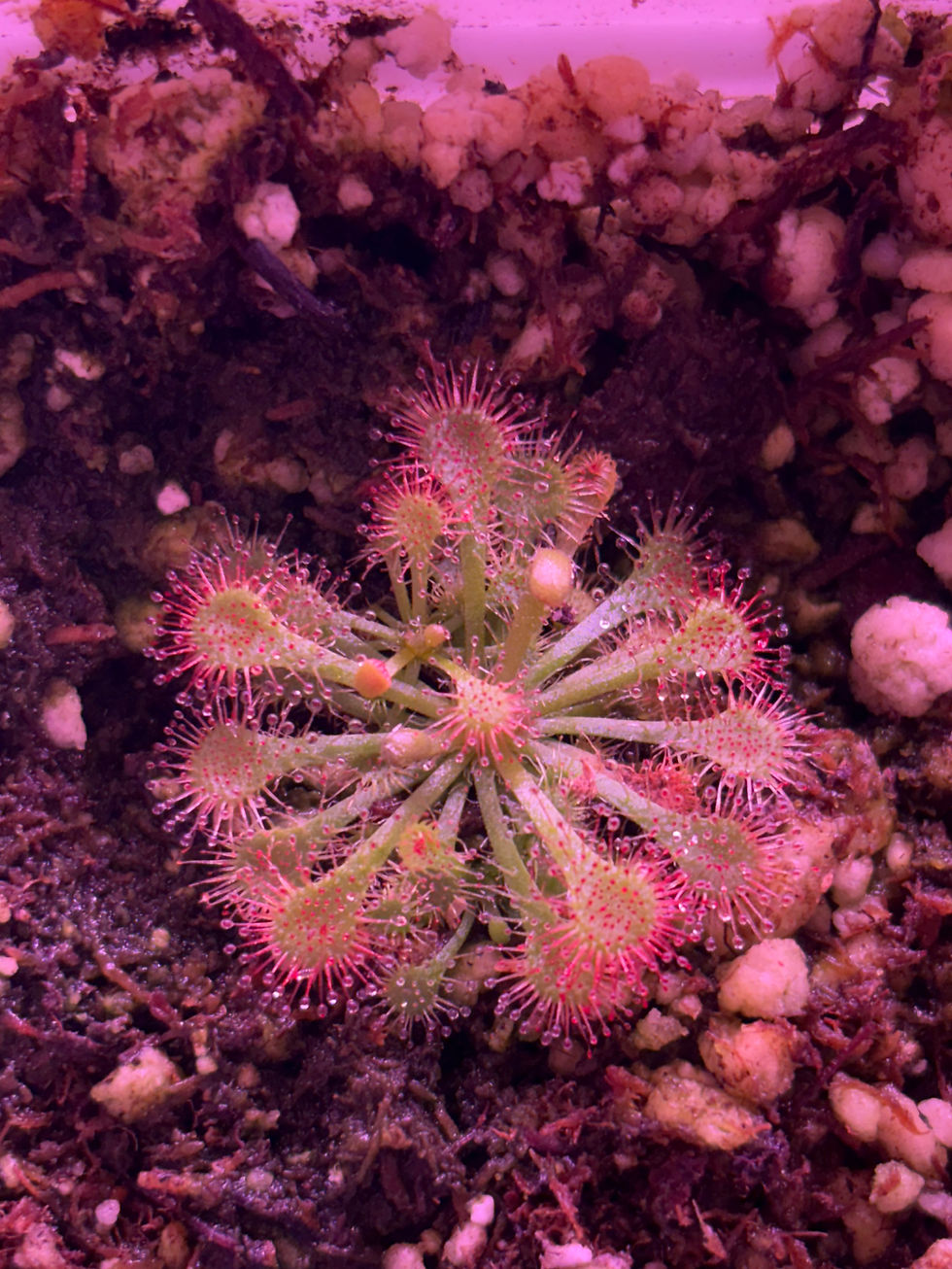
Leaf Shape and Color: The leaves are long, narrow, and covered with red, sticky tentacles that glisten in light. These tentacles secrete a sticky substance to trap prey.
Growth Habit: This plant grows in a rosette form, with leaves radiating from a central point.
Size: Mature plants can reach up to 12 inches in height, making them a medium-sized sundew.
Flowers: Drosera adelae produces small white or pink flowers on tall stalks during the growing season.
These features make it a striking addition to any carnivorous plant collection.
How to Care for Drosera Adelae
Carnivorous plant care requires attention to specific needs, and Drosera adelae is no exception. Here are essential drosera adelae care tips to keep your plant healthy:
Light Requirements
Drosera adelae thrives in bright, indirect light. Avoid direct sunlight, which can scorch the leaves. A spot near an east or north-facing window is ideal. If natural light is insufficient, use fluorescent or LED grow lights for 12 to 14 hours daily.
Watering
Keep the soil consistently moist but not waterlogged. Use distilled, rain, or reverse osmosis water to avoid mineral buildup, which can harm the plant. Water from the bottom by placing the pot in a shallow tray of water, allowing the soil to absorb moisture gradually.
Soil and Potting
Use a well-draining, nutrient-poor soil mix. A common blend includes sphagnum peat moss and perlite in a 1:1 ratio. Avoid regular potting soil, which contains fertilizers harmful to carnivorous plants. Use plastic or glazed ceramic pots to retain moisture without leaching minerals.
Humidity and Temperature
Drosera adelae prefers high humidity levels, ideally between 50% and 70%. Maintain temperatures between 65°F and 80°F (18°C to 27°C). Avoid cold drafts or sudden temperature drops, as these can stress the plant.
Feeding
While Drosera adelae can catch its own prey, you can supplement its diet with small insects like fruit flies or gnats every few weeks. Avoid overfeeding, which can cause mold or rot.
Propagation Tips for Drosera Adelae
Propagating Drosera adelae is rewarding and relatively simple. Here are effective methods:
Leaf Cuttings
Select a healthy leaf with a small part of the stem attached.
Place the cutting on moist sphagnum moss or peat.
Cover with a clear plastic bag or dome to maintain humidity.
Keep in indirect light and warm conditions.
Roots and new plantlets should develop within 4 to 6 weeks.
Division
Gently remove the plant from its pot.
Separate the rosettes carefully, ensuring each has roots attached.
Repot divisions in fresh carnivorous plant soil.
Water thoroughly and maintain humidity.
Seed Propagation
Growing from seeds is possible but slower. Sow seeds on moist sphagnum moss and keep them in a warm, humid environment with indirect light. Germination can take several weeks.
Troubleshooting Common Issues
Even with the best drosera adelae care tips, problems can arise. Here’s how to identify and fix common issues:
Yellowing Leaves
Cause: Overwatering, poor drainage, or too much direct sunlight.
Solution: Adjust watering habits, improve drainage, and move the plant to a spot with indirect light.
Leaf Curling or Wilting
Cause: Low humidity or underwatering.
Solution: Increase humidity by misting or using a humidity tray and ensure consistent moisture in the soil.
Mold or Fungal Growth
Cause: Overfeeding, poor air circulation, or excessive moisture.
Solution: Reduce feeding frequency, improve ventilation, and avoid waterlogging.
Lack of Growth or Flowering
Cause: Insufficient light or nutrients.
Solution: Provide more indirect light and ensure the plant is not exposed to fertilizers or nutrient-rich soil.


Comments