

Discovering the Wonders of Drosera Tokaiensis

Updated: Jul 17
Understanding Drosera Tokaiensis and Its Origin
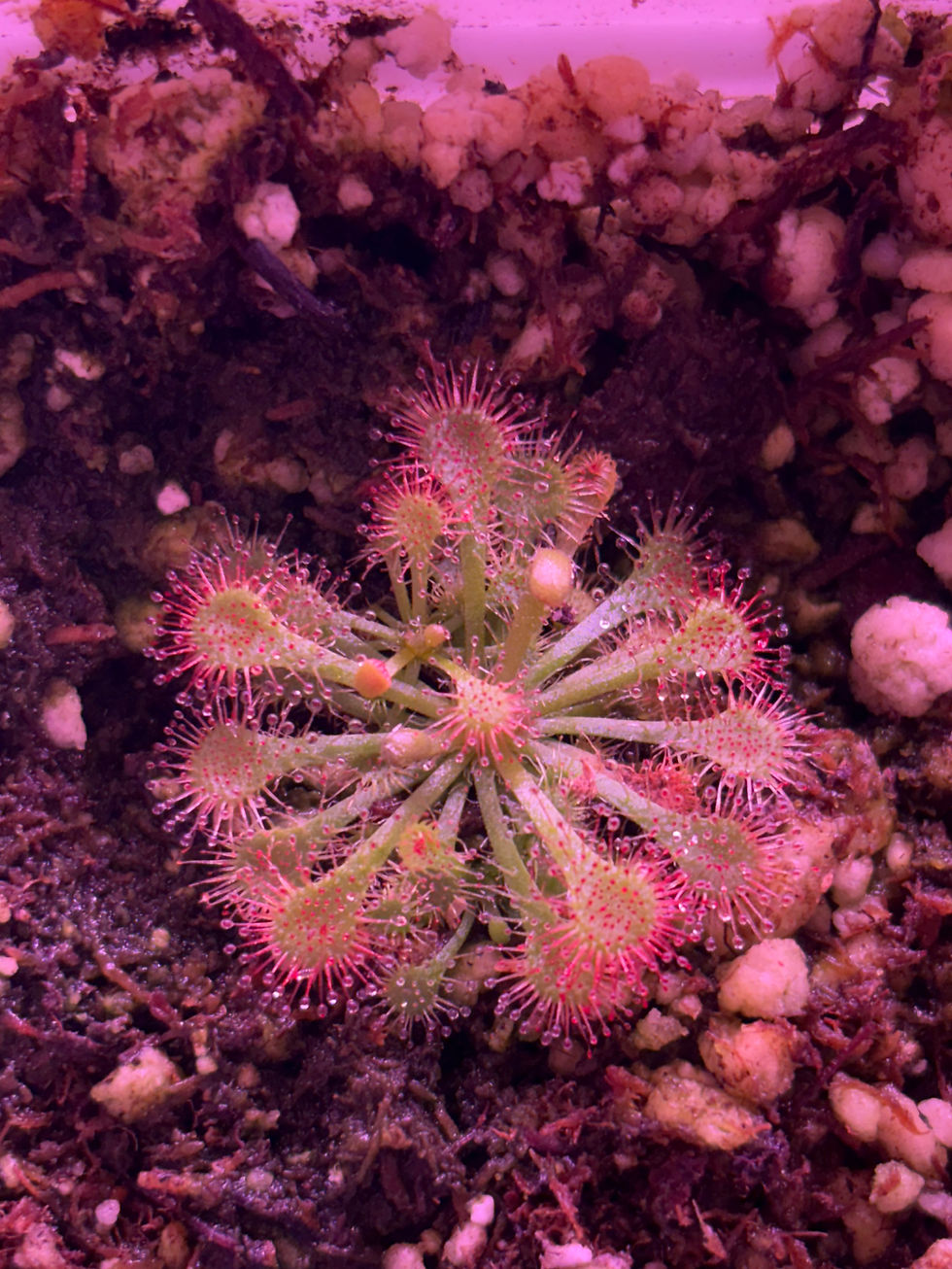
Drosera Tokaiensis is a hybrid carnivorous plant that originated in Japan. It is a cross between Drosera spatulata and Drosera rotundifolia, combining traits from both parents. This hybrid was first discovered in the Tokai region, which inspired its name. It thrives in wet, acidic environments and has adapted to capture insects using sticky glandular hairs on its leaves.
This sundew species is relatively small, with rosettes typically reaching 3 to 5 centimeters in diameter. Its leaves are spoon-shaped and covered in glistening mucilage droplets that trap prey. The plant produces delicate white or pink flowers on slender stalks during its growing season.
How to Identify Drosera Tokaiensis Compared to Drosera Spatulata
Many carnivorous plant enthusiasts confuse Drosera Tokaiensis with Drosera spatulata because of their similar size and leaf shape. However, there are key differences:
Leaf Shape and Size
Drosera Tokaiensis has slightly broader and more rounded leaves compared to the narrower, more elongated leaves of Drosera spatulata.
Leaf Color and Gland Density
The mucilage glands on Drosera Tokaiensis tend to be denser and produce more sticky droplets, giving the leaves a shinier appearance. Drosera spatulata’s glands are sparser and less sticky.
Growth Habit
Drosera Tokaiensis often forms tighter rosettes, while Drosera spatulata can spread more loosely and produce runners.
Flower Characteristics
The flowers of Drosera Tokaiensis are usually white or pale pink with a compact inflorescence, whereas Drosera spatulata flowers may vary more in color and tend to have a more open flower cluster.
Correct identification is important because care requirements and propagation methods can differ slightly between these species.
How to Care for Drosera Tokaiensis
Drosera Tokaiensis requires specific conditions to thrive. Here are the essential care tips:
Light
Provide bright, indirect sunlight. A south-facing window with filtered light works well. Avoid harsh direct sun that can scorch the leaves, but ensure the plant gets enough light to maintain its vibrant color and sticky glands.
Soil
Use a nutrient-poor, acidic soil mix designed for carnivorous plants. A common mix is 50% sphagnum peat moss and 50% perlite or silica sand. Avoid regular potting soil, which contains nutrients harmful to sundews.
Water
Keep the soil consistently moist but not waterlogged. Use distilled water, rainwater, or reverse osmosis water to avoid mineral buildup. Watering from the bottom by placing the pot in a shallow tray of water helps maintain humidity and moisture without drowning the roots.
Humidity and Temperature
Drosera Tokaiensis prefers moderate to high humidity levels (50-70%). Temperatures between 65°F and 80°F (18°C to 27°C) are ideal. Avoid exposing the plant to temperatures below 50°F (10°C) for extended periods.
Feeding
This sundew captures insects on its own, but if grown indoors without access to prey, you can supplement feeding. Use small insects like fruit flies or feed diluted foliar fertilizer specifically made for carnivorous plants once a month during the growing season.
Dormancy
Unlike some carnivorous plants, Drosera Tokaiensis does not require a strict dormancy period. However, it may slow growth during cooler months. Reduce watering slightly but keep the soil moist.
How to Propagate Drosera Tokaiensis
Propagation is rewarding and can be done through leaf cuttings or seed:
Leaf Cuttings
Select a healthy leaf and place it on moist sphagnum moss or a peat-perlite mix. Keep the environment humid and warm. New plantlets will form at the base of the leaf after several weeks.
Seeds
Sow seeds on the surface of a moist carnivorous plant soil mix. Keep the seeds in bright, indirect light and maintain high humidity. Germination can take a few weeks to months.
Propagation success depends on maintaining stable moisture and temperature conditions.
Troubleshooting Common Problems
Even with proper care, issues can arise. Here are common problems and solutions:
Leaf Browning or Blackening
This often results from too much direct sunlight or mineral buildup from tap water. Move the plant to a shadier spot and switch to distilled or rainwater.
Poor Growth or Yellowing Leaves
Insufficient light or over-fertilization can cause this. Increase light exposure and avoid fertilizing unless necessary.
Pests
Aphids and spider mites can attack sundews. Use insecticidal soap or rinse the plant gently with water to remove pests.
Mold or Fungal Growth
Overly wet conditions and poor air circulation encourage mold. Reduce watering slightly and improve airflow around the plant.
Summary and Next Steps
Drosera Tokaiensis is a fascinating carnivorous plant that offers a unique challenge and beauty for enthusiasts. Knowing its origin, how to distinguish it from Drosera spatulata, and following proper care and propagation methods will help you enjoy a healthy, thriving plant. Pay close attention to light, water quality, and soil conditions to avoid common issues.
If you want to expand your carnivorous plant collection, try propagating Drosera Tokaiensis from leaf cuttings or seeds. This hands-on approach deepens your connection with these remarkable plants.
For those eager to dive deeper into the world of carnivorous plants, consider exploring various species and their unique care needs. Each plant has its quirks, and understanding them can be a rewarding experience. Remember, the journey of plant care is as enriching as the end result. Happy planting!


Comments