

Alocasia Polly Amazonica: A Complete Guide

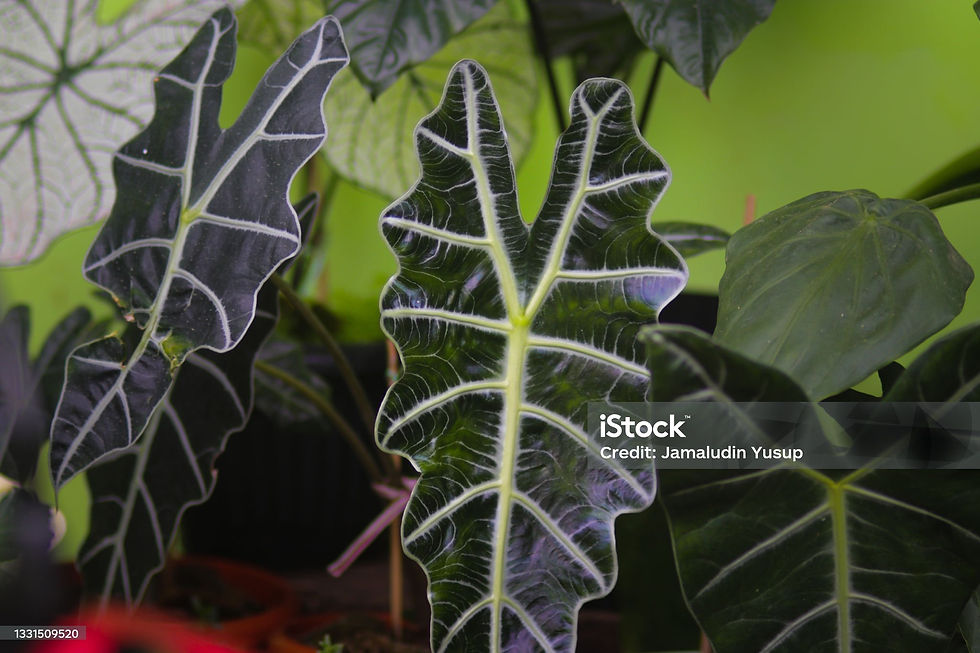
Alocasia Polly Amazonica is a striking tropical plant known for its glossy, arrow-shaped leaves with prominent white veins. Its dramatic foliage makes it a favorite among indoor plant enthusiasts. However, this beauty requires specific care to thrive. If you want to keep your Alocasia Polly Amazonica healthy and vibrant, understanding its needs is key. This guide covers everything you need to know to grow this plant successfully.
How to Provide the Right Light
Alocasia Polly Amazonica thrives in bright, indirect light. Direct sunlight can scorch its delicate leaves, causing brown spots or fading. Place your plant near a window with filtered light or use sheer curtains to soften the sun’s rays. If natural light is limited, fluorescent grow lights can supplement its needs.
Tips for lighting:
Avoid direct afternoon sun, especially through south or west-facing windows.
Rotate the plant every week to ensure even growth.
If leaves start to yellow or lose their vibrant color, it may be a sign of insufficient light.
How to Water Your Alocasia Polly Amazonica
Watering is crucial for this tropical plant. It prefers consistently moist soil but dislikes sitting in water. Overwatering can lead to root rot, while underwatering causes leaf edges to brown and curl.
Watering guidelines:
Water when the top inch of soil feels dry to the touch.
Use room temperature water to avoid shocking the roots.
Ensure your pot has drainage holes to prevent water accumulation.
During winter, reduce watering frequency as the plant’s growth slows.
How to Maintain Humidity and Temperature
Alocasia Polly Amazonica originates from humid tropical environments, so it thrives in high humidity and warm temperatures.
Humidity tips:
Aim for humidity levels above 60%.
Use a humidifier or place a tray of water with pebbles near the plant.
Grouping plants together can naturally increase humidity.
Temperature tips:
Keep the plant in temperatures between 65°F and 80°F (18°C to 27°C).
Avoid cold drafts or sudden temperature changes.
Do not expose the plant to temperatures below 60°F (15°C).
How to Choose the Right Soil and Pot
Well-draining soil is essential to prevent root rot. A mix designed for aroids or tropical plants works best. You can create your own by combining:
1 part potting soil
1 part perlite or pumice for aeration
1 part orchid bark or coconut coir for moisture retention
Choose a pot slightly larger than the root ball with drainage holes. Terracotta pots are ideal because they allow excess moisture to evaporate.
How to Fertilize Alocasia Polly Amazonica
Feeding your plant supports its lush growth. Use a balanced, water-soluble fertilizer diluted to half strength every 4 to 6 weeks during the growing season (spring and summer). Avoid fertilizing in fall and winter when the plant rests.
Fertilizing tips:
Look for fertilizers with equal parts nitrogen, phosphorus, and potassium (e.g., 10-10-10).
Over-fertilizing can burn roots and damage leaves.
Flush the soil occasionally by watering thoroughly to remove excess salts.
How to Prune and Repot
Regular pruning helps maintain the plant’s shape and removes damaged leaves. Use clean, sharp scissors to cut yellow or brown leaves at the base.
Repotting is necessary every 1 to 2 years or when roots outgrow the pot. Choose a pot one size larger and refresh the soil to provide nutrients.
Repotting steps:
Gently remove the plant from its pot.
Trim any dead or rotting roots.
Place the plant in the new pot with fresh soil.
Water lightly and keep in indirect light until it adjusts.
How to Handle Common Problems
Alocasia Polly Amazonica can face issues like pests, leaf spots, or drooping leaves.
Common problems and solutions:
Spider mites and aphids: Wipe leaves with a damp cloth or use insecticidal soap.
Brown leaf edges: Often caused by low humidity or inconsistent watering.
Yellow leaves: May indicate overwatering or poor drainage.
Drooping leaves: Can result from underwatering, low humidity, or cold drafts.
Regularly inspect your plant and adjust care as needed to keep it healthy.
Comments