

Alocasia Aegis Complete Care Guide And Tips

Alocasia Aegis is a striking houseplant known for its bold, rounded leaves with distinct veins. Its unique appearance makes it a favorite among plant enthusiasts looking to add a tropical touch to their indoor garden. However, caring for this plant requires understanding its specific needs, especially when it comes to watering, light, and propagation. This guide will walk you through how to care for your Alocasia Aegis, including detailed instructions on handling its corms and sprouting new plants.
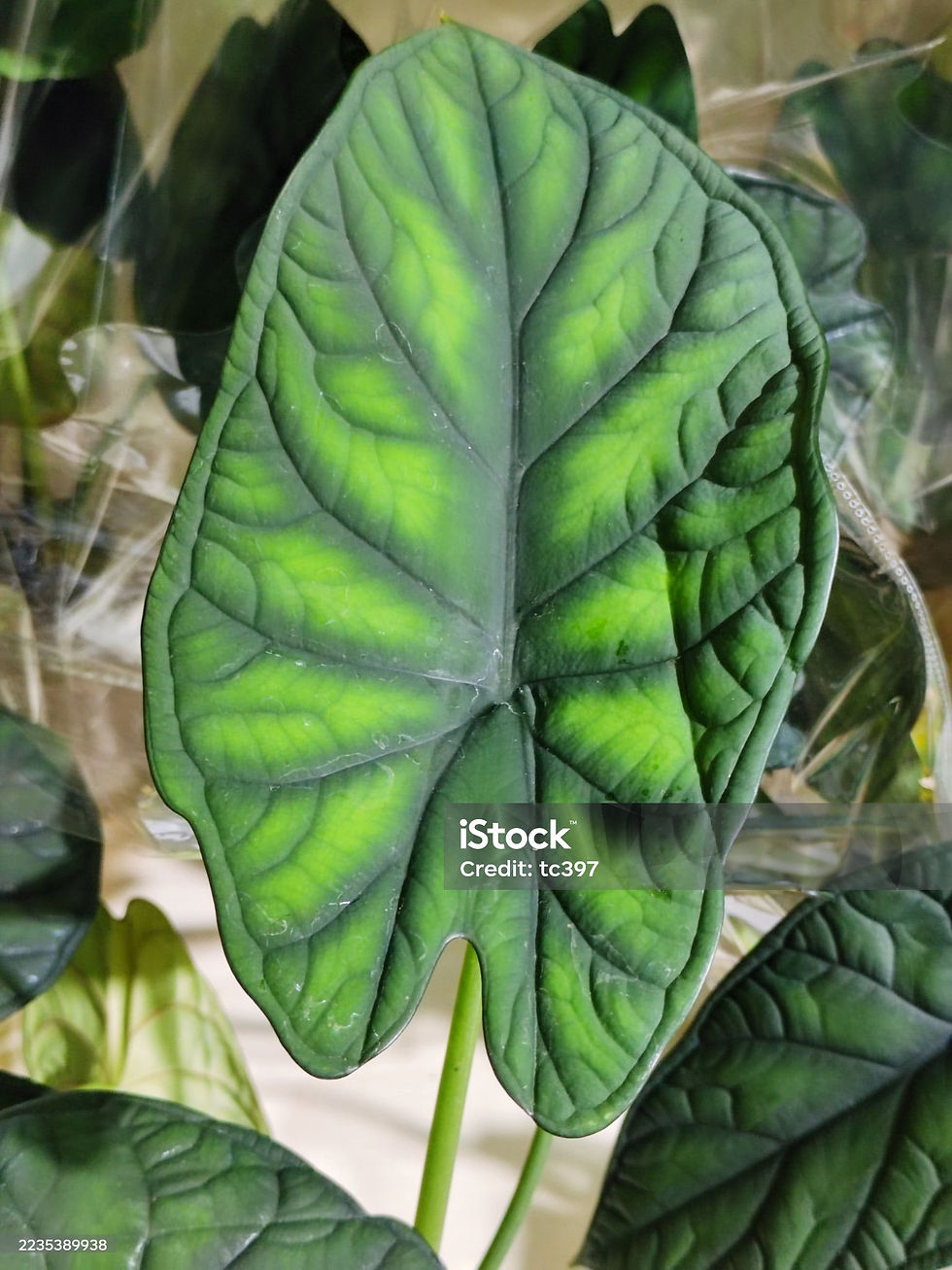
Understanding Alocasia Aegis and Its Growth
Alocasia Aegis belongs to the Araceae family and thrives in warm, humid environments. It grows from corms, which are underground storage organs similar to bulbs. These corms store nutrients and energy, allowing the plant to survive dormant periods and sprout new growth.
Knowing how to care for these corms is essential if you want to propagate your plant or revive it after dormancy. Healthy corms produce vigorous new shoots, while neglected ones may rot or fail to sprout.
Light Requirements for Alocasia Aegis
Alocasia Aegis prefers bright, indirect light. Direct sunlight can scorch its leaves, causing brown spots or fading. Place your plant near a north or east-facing window where it can receive filtered light throughout the day.
If natural light is limited, you can use a grow light to supplement. Aim for about 6 to 8 hours of bright, indirect light daily to keep your plant healthy and vibrant.
Watering and Humidity Tips
Watering is one of the most critical aspects of Alocasia Care Guide. This plant likes consistently moist soil but does not tolerate waterlogging. Overwatering can lead to root rot, while underwatering causes leaf droop and browning edges.
Water when the top inch of soil feels dry to the touch.
Use room temperature water to avoid shocking the roots.
Ensure your pot has drainage holes to prevent standing water.
Increase humidity by misting the leaves regularly or placing a humidifier nearby.
Alocasia Aegis thrives in humidity levels above 60%. If your home is dry, especially in winter, consider grouping plants together or using a pebble tray with water to boost moisture around the plant.
Soil and Fertilizer Recommendations
Use a well-draining potting mix rich in organic matter. A mix designed for aroids or tropical plants works well. You can create your own by combining:
Peat moss or coco coir for moisture retention
Perlite or orchid bark for aeration
A small amount of compost for nutrients
Feed your Alocasia Aegis with a balanced liquid fertilizer diluted to half strength every 4 weeks during the growing season (spring and summer). Avoid fertilizing in fall and winter when the plant’s growth slows down.
How to Handle Alocasia Aegis Corms
Corms are the key to propagating and maintaining your Alocasia Aegis. Here’s how to care for and sprout them:
Removing the Corms
When repotting or dividing your plant, gently remove it from the pot and shake off excess soil. Look for firm, healthy corms that are free from mold or soft spots.
Preparing the Corms
If you want to propagate, separate the corms carefully. Let them dry for a day or two in a shaded, well-ventilated area to heal any cuts or breaks.
Sprouting the Corms
Plant the corms about 1 to 2 inches deep in a moist, well-draining soil mix. Keep the soil consistently moist but not soggy. Place the pot in a warm spot with indirect light.
Waiting for Growth
Sprouting can take 2 to 6 weeks depending on conditions. Maintain humidity and warmth to encourage shoots to emerge.
Common Problems and Solutions
Even with the best Alocasia Aegis care tips, problems can arise. Here are some common issues and how to fix them:
Yellowing Leaves: Usually caused by overwatering or poor drainage. Check soil moisture and improve drainage if needed.
Brown Leaf Edges: Often a sign of low humidity or underwatering. Increase humidity and water more regularly.
Pests: Spider mites, aphids, and mealybugs can attack. Wipe leaves with insecticidal soap or neem oil to control infestations.
Dormancy: Alocasia Aegis may go dormant in cooler months. Reduce watering and stop fertilizing until new growth appears.
Repotting Your Alocasia Aegis
Repot your plant every 1 to 2 years or when it outgrows its pot. Choose a container slightly larger than the current one with good drainage. Repotting is also a good time to divide corms if you want to propagate.
Handle the roots and corms gently during repotting to avoid damage. After repotting, water lightly and keep the plant in indirect light until it adjusts.
Summary of Alocasia Aegis Care Tips
Provide bright, indirect light for 6 to 8 hours daily.
Keep soil moist but well-drained; water when the top inch is dry.
Maintain humidity above 60% with misting or humidifiers.
Use a rich, well-aerated potting mix.
Fertilize monthly during growing season with diluted balanced fertilizer.
Handle corms carefully for propagation and repotting.
Watch for pests and signs of stress like yellowing or browning leaves.
Adjust care during dormancy by reducing water and fertilizer.
Comments