

Rare Houseplants That Require Minimal Care: Low-Maintenance Rare Plants You’ll Love
- Bite and Bloom Botanicals

- Apr 14
- 4 min read
If you’re like me, you adore the idea of having unique, eye-catching plants in your home but don’t always have the time or green thumb to care for high-maintenance varieties. Lucky for us, there’s a wonderful world of low-maintenance rare plants that bring charm and character without demanding constant attention. These beauties are perfect for anyone who wants to add a splash of the unusual to their space without turning plant care into a full-time job.
In this post, I’ll walk you through some of my favorite rare houseplants that require minimal care. I’ll share practical tips on how to keep them happy and thriving, so you can enjoy their exotic vibes with ease. Ready to meet your new plant pals? Let’s dive in!
Why Choose Low-Maintenance Rare Plants?
When you think of rare plants, you might imagine fussy, delicate specimens that need perfect humidity, light, and watering schedules. But that’s not always the case! Some rare plants are surprisingly tough and forgiving, making them ideal for busy folks or beginners who want something a little different.
Here’s why I recommend going for low-maintenance rare plants:
Unique aesthetics: These plants often have unusual shapes, colors, or textures that stand out.
Less stress: They don’t require daily watering or constant monitoring.
Great for beginners: You can learn the ropes without risking your plant’s health.
Conversation starters: Their rarity makes them a fun topic when guests visit.
If you want to explore a curated selection of easy care rare houseplants, you’ll find plenty of options that fit this description.
Top Low-Maintenance Rare Plants to Try
Let’s get to the good stuff! Here are some of my favorite rare plants that are surprisingly easy to care for. I’ve included care tips for each so you can keep them thriving with minimal effort.
1. Hoya Kerrii (Sweetheart Plant)
This adorable heart-shaped succulent vine is a rare find that’s perfect for beginners. It grows slowly and doesn’t need much water, making it a low-maintenance gem.
Light: Bright, indirect light is best.
Water: Let the soil dry out completely between waterings.
Humidity: Average room humidity is fine.
Tip: Avoid overwatering; it’s more tolerant of drought than soggy soil.

2. Monstera Adansonii (Swiss Cheese Vine)
This plant’s unique perforated leaves make it a standout. It’s a tropical vine that’s surprisingly adaptable and easy to care for.
Light: Bright, indirect light.
Water: Water when the top inch of soil feels dry.
Humidity: Prefers moderate to high humidity but tolerates average indoor levels.
Tip: Prune occasionally to keep it bushy and full.
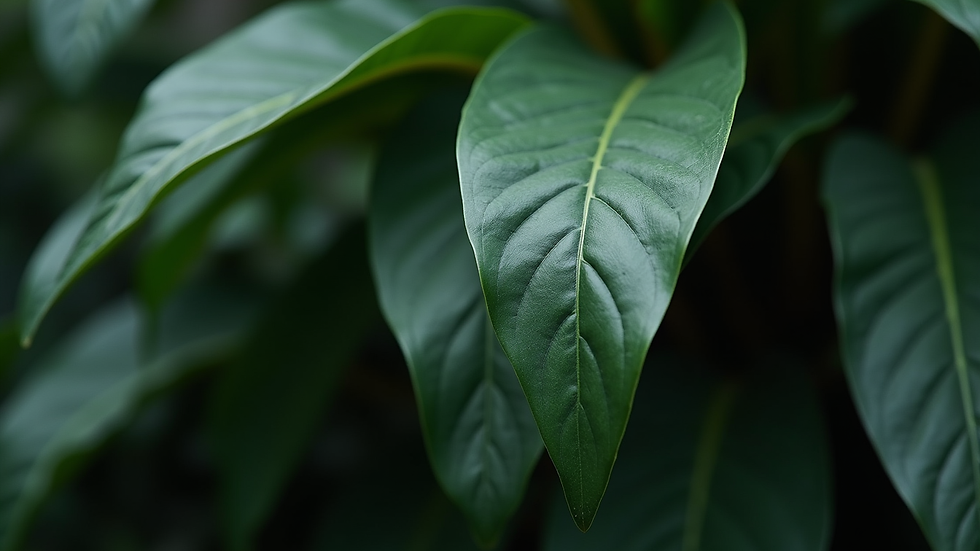
3. Zamioculcas Zamiifolia ‘Raven’ (Black ZZ Plant)
The Raven ZZ is a rare black-leafed variety of the classic ZZ plant. It’s nearly indestructible and perfect for low-light spots.
Light: Low to bright indirect light.
Water: Water sparingly; let soil dry out between waterings.
Humidity: Normal indoor humidity is fine.
Tip: Avoid overwatering to prevent root rot.
4. Calathea ‘White Fusion’
This rare Calathea variety has stunning white and green marbled leaves. It’s a bit more sensitive than others on this list but still manageable with the right care.
Light: Medium to bright indirect light.
Water: Keep soil consistently moist but not soggy.
Humidity: Prefers higher humidity; mist regularly or use a humidifier.
Tip: Avoid direct sunlight to prevent leaf burn.
5. Pilea Peperomioides ‘Variegata’ (Variegated Chinese Money Plant)
The variegated version of the popular Pilea is a rare beauty with splashes of cream and green on its round leaves. It’s easy to grow and propagate.
Light: Bright, indirect light.
Water: Water when the top inch of soil is dry.
Humidity: Average indoor humidity is fine.
Tip: Rotate the plant regularly for even growth.
How to Care for Your Low-Maintenance Rare Plants
Even the easiest plants need some TLC. Here’s a simple, step-by-step guide to keeping your rare plants happy without turning it into a chore.
Step 1: Choose the Right Spot
Most rare plants thrive in bright, indirect light. Avoid direct sun unless the plant specifically calls for it. A north or east-facing window is usually perfect.
Step 2: Water Wisely
Overwatering is the number one killer of houseplants. Always check the soil moisture before watering. Use your finger or a moisture meter to see if the soil is dry an inch or two down.
Step 3: Use Well-Draining Soil
Rare plants often prefer soil that doesn’t hold too much water. Use a mix designed for succulents or tropical plants, depending on your plant’s needs.
Step 4: Maintain Humidity
Some rare plants like Calatheas or Hoyas appreciate higher humidity. You can mist them occasionally, group plants together, or use a small humidifier.
Step 5: Fertilize Occasionally
Feed your plants with a balanced, diluted fertilizer during the growing season (spring and summer). Once a month is usually enough.
Step 6: Keep an Eye Out for Pests
Rare plants can sometimes attract pests like spider mites or mealybugs. Inspect your plants regularly and treat any infestations early with insecticidal soap or neem oil.
Why I Love Collecting Rare Plants That Are Easy to Care For
There’s something magical about finding a rare plant that fits perfectly into your lifestyle. I love how these plants add personality to my home without making me feel overwhelmed. Plus, they’re great conversation starters and bring a little bit of nature’s wonder indoors.
If you’re just starting your collection or want to add a few unique pieces without the hassle, these low-maintenance rare plants are a fantastic choice. They prove that you don’t have to sacrifice beauty for ease of care.
Your Next Steps to a Thriving Rare Plant Collection
Ready to bring some rare charm into your home? Here’s a quick checklist to get started:
Pick one or two low-maintenance rare plants that catch your eye.
Find a spot with the right light and temperature.
Follow the simple care steps above.
Join a plant community or forum to share your progress and get tips.
Enjoy watching your rare plants grow and thrive!
Remember, every plant is a little different, so don’t be afraid to experiment and learn as you go. With patience and a bit of love, your rare plants will reward you with beauty and joy for years to come.
Happy planting!


Comments